
What to Do If Your Hurricane Isaias Claim Was Denied
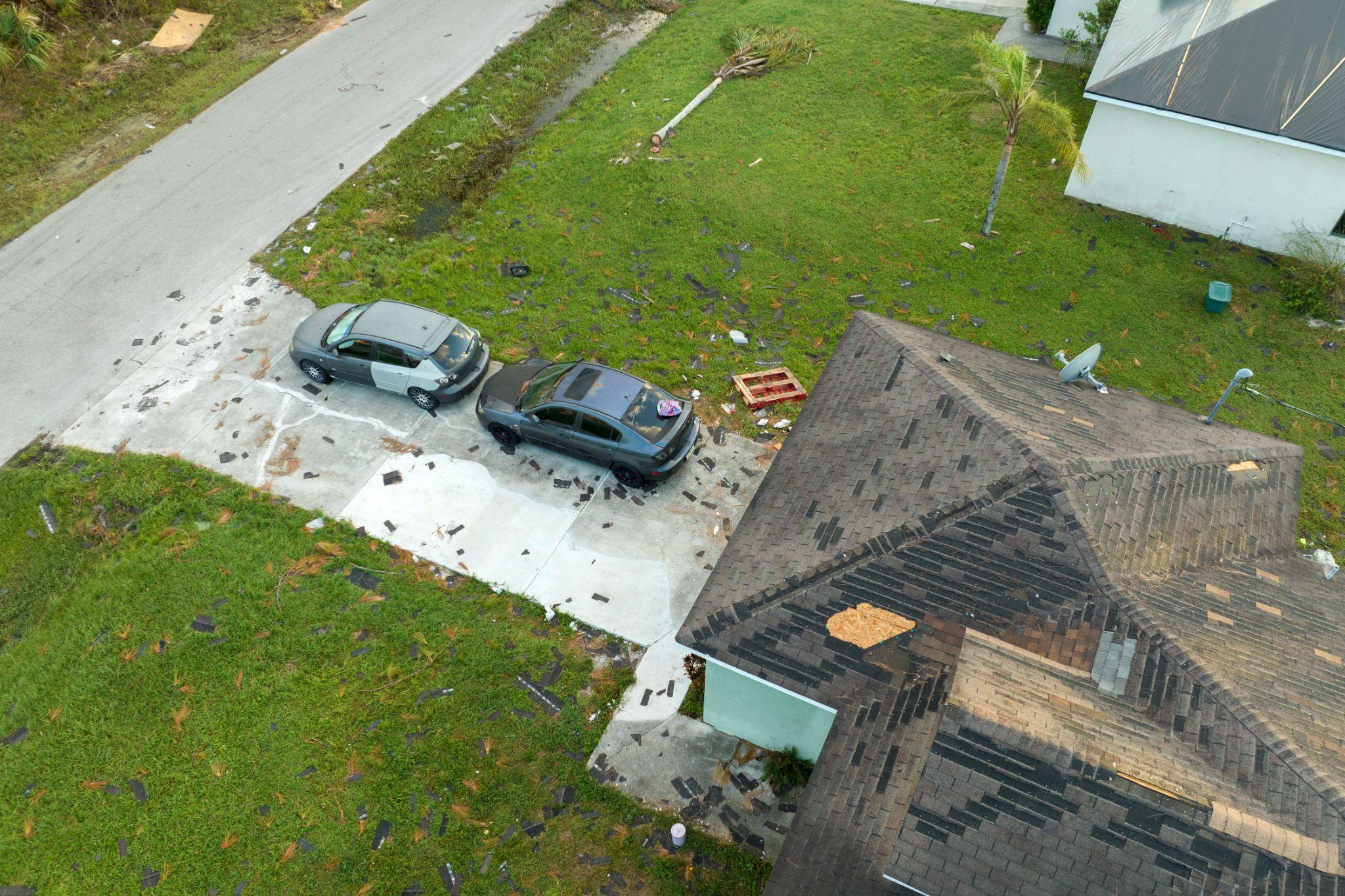
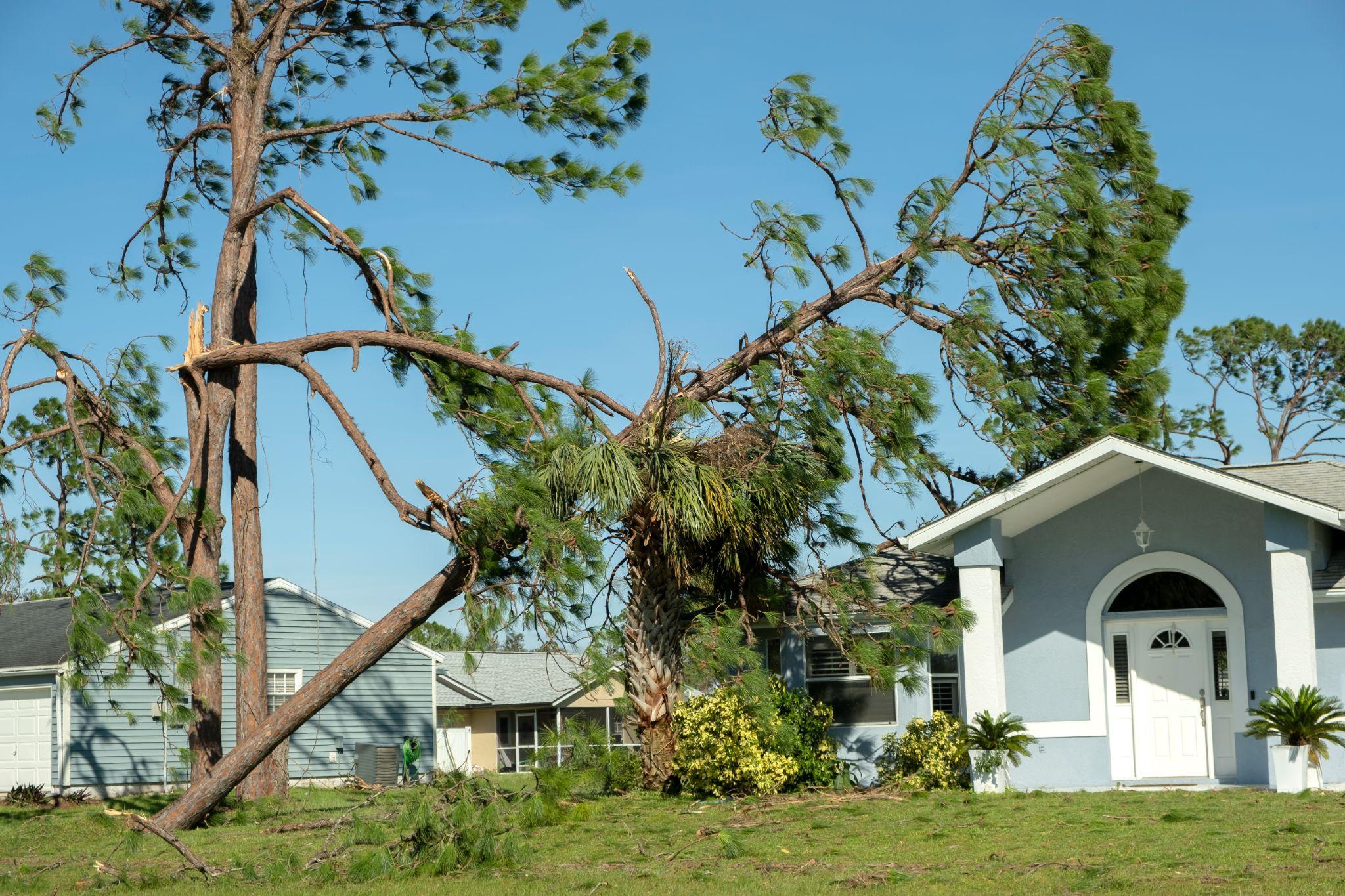
Hurricane Isaias tore roofs off apartments in Gulf Breeze and dropped 60-year-old oaks onto homes in Okaloosa County. A few weeks later, many of those same homeowners are opening a letter that says their insurer won’t pay. If your Hurricane Isaias claim was denied, you’re not stuck with that answer. Florida law gives you time and several ways to push back. Here’s what to do first, and what to avoid.
Why Insurers Are Denying Hurricane Isaias Claims
Most Hurricane Isaias denials come down to a few arguments. The insurer says the damage was flood, not wind. Or it says the roof was already worn out. Or it says the loss falls under your hurricane deductible. Each of these can be challenged with the right evidence.
Isaias made landfall near Destin on October 9, 2026, with 105 mph winds. Its strongest winds hit the west side of the storm, from Pensacola through Milton and Navarre. Modelers expect $1 billion to $3 billion in insured losses. Insurers are working to keep that number as low as they can.
Here are the denial reasons we see most after a storm like this.
“That’s Flood Damage”
Homeowners policies cover wind. They don’t cover flood or storm surge. Isaias pushed 5.6 feet of surge into Panama City Beach, so insurers are quick to label any water inside a home as flood. But if wind broke a window or lifted shingles first, and rain got in through that opening, that’s covered wind damage. The order of events decides the claim. Read more about storm surge vs. wind damage.
“Your Roof Was Already Old”
This is the go-to argument for roof claims. The adjuster calls missing shingles “wear and tear” or “pre-existing damage.” Then the insurer pays for a few squares of patching instead of a new roof. An independent roofer or engineer can often show the damage pattern matches wind, not age.
“It’s Under Your Deductible”
Florida hurricane deductibles are a percentage of your dwelling coverage. On a $350,000 home with a 2% deductible, that’s $7,000. Some insurers write a low estimate, set it next to your deductible and close the file. If the estimate is wrong, the denial is wrong too.
“Tree Removal Isn’t Covered”
Falling trees were the most common damage in Okaloosa County. Your policy likely covers what the tree broke. But many policies cap tree removal at about $500 per tree. Insurers sometimes blur those two costs together and pay less than they owe.
7 Steps to Take After a Hurricane Isaias Claim Is Denied
Get the denial in writing, collect your policy and the adjuster’s estimate, and document your damage before repairs. Then get an independent estimate and look at your options before any deadline passes.
1. Get the Denial in Writing
A phone call from an adjuster isn’t a denial you can fight. Ask for a written letter that names the exact policy language the insurer is relying on. That sentence tells you what you need to prove.
2. Request Your Full Policy and the Adjuster’s Estimate
Ask your insurer for a certified copy of your full policy, including every endorsement. Many homeowners have never seen their hurricane deductible or roof endorsement in writing. Also ask for the adjuster’s complete estimate and photos. You can’t challenge numbers you haven’t seen.
3. Don’t Sign a Release
If the insurer sends a partial payment with a release or “full and final” language, stop. Signing could end your right to ask for more. Talk to a lawyer before you sign anything the insurer sends.
4. Document Everything Now
Take photos and video of every room, the roof and the yard. Keep pieces of broken shingles, siding or window frames if you can. Save every receipt for tarps, tree removal, hotel stays and generators. If you’ve already made repairs, keep the invoices and the “before” photos.
5. Get an Independent Estimate
The insurer’s adjuster works for the insurer. A licensed roofer, general contractor or engineer can give you a second estimate. On wind vs. flood disputes, an engineer’s report is often what turns the claim around.
6. Know Your Options Short of a Lawsuit
You have a few paths before court.
Supplemental claim. If you find more damage, you can file a supplemental claim within 18 months of the storm.
Appraisal. Many policies have an appraisal clause for disputes over the amount of loss. Each side picks an appraiser, and an umpire settles the difference.
State mediation. Florida’s Department of Financial Services runs a mediation program for residential property claims.
Each path has tradeoffs. Appraisal, for example, usually can’t decide whether something is covered. It only decides how much the loss is worth.
7. Talk to a Property Damage Lawyer Before Deadlines Hit
Florida requires a written pre-suit notice to the insurer at least 10 business days before you can file a lawsuit. If the insurer acted in bad faith, Florida Statute 624.155 requires a Civil Remedy Notice and gives the insurer 60 days to fix it. These steps take time, so don’t wait until month 11. See our post on when to hire a property damage lawyer.
Hurricane Isaias Claim Deadlines in Florida
You have until October 9, 2027, to report a new Hurricane Isaias insurance claim. Supplemental claims for damage found later must be reported by April 9, 2028.
Florida Statute 627.70132 sets the clock. New and reopened claims must be reported within one year of the date of loss. Supplemental claims get 18 months.
Your insurer has deadlines too. It must acknowledge your claim within seven days. In most cases, it must pay or deny within 60 days of your notice. If your insurer blew past those dates, write down when you reported the claim and every contact since. Missed deadlines can support a bad faith claim. Learn more about Florida bad faith insurance claims.
One more detail for Panhandle homeowners. Florida only applies one hurricane deductible per calendar year. Isaias is the first U.S. hurricane landfall of 2026, so if another storm hits Florida before December 31, you shouldn’t pay that deductible twice.
Citizens and Private Insurers Play by the Same Rules
Citizens Property Insurance and private insurers follow the same Florida claim deadlines. A denied Citizens claim can be challenged the same way as a private one.
Citizens had about 8,800 policies in the 10-county Panhandle area when Isaias hit. That’s far fewer than a few years ago, since many homeowners moved to private carriers. State Farm, Progressive and Berkshire Hathaway now hold the top spots in Florida. No matter who wrote your policy, the steps above apply.
A Denied Hurricane Claim Is Often Just the First Offer
Insurers often deny or lowball hurricane claims that later pay in full. Many denied hurricane claims end in a much larger recovery once a lawyer gets involved.
We’ve seen it on storm after storm. On a Hurricane Ian claim, the insurer paid $89,000. We settled it for $600,000. On a Hurricane Irma claim, the insurer paid $131,000 and refused to pay more. We recovered $750,000. On a condominium hurricane claim, the insurer denied coverage completely and didn’t pay a cent. After we filed suit, the case settled for $5.5 million.
Our attorneys used to represent insurance companies. Managing Partner Candise Shanbron spent her first five years on the insurance side before representing Florida policyholders in 2008. We know how adjusters write denial letters because we used to defend them.
Cernitz Law handles residential claim denials and commercial claim denials across Florida, including hurricane and windstorm damage. For a broader walkthrough, read our step-by-step guide to a denied storm damage claim.
Talk to Cernitz Law About Your Denied Hurricane Isaias Claim
If your Hurricane Isaias claim was denied or underpaid, call Cernitz Law at (888) 683-2624 for a free case review. We’re available 24/7, and there’s no fee unless you win.