
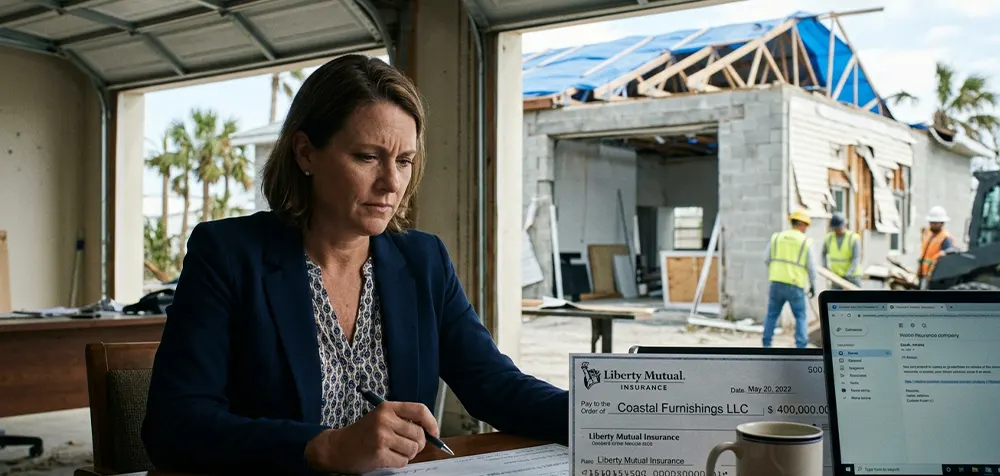
Commercial property insurance claim underpayment happens frequently in Florida. Insurance companies often issue settlement offers that fall significantly short of actual repair costs. Property owners commonly receive checks that don't cover the full scope of damage documented by contractors.
Understanding why underpayments occur and knowing the proper steps to challenge them can make a substantial difference in the final settlement amount. Florida law provides specific protections for policyholders dealing with inadequate claim payments.
This guide explains what to do when insurance underpays your claim, how to document the shortage properly, and when legal representation becomes necessary to recover the full amount owed under the policy.
Why Commercial Property Insurance Claim Underpayment Happens
Insurance companies are profit-driven businesses. Every dollar they don't pay out increases their bottom line. They're not advocates for policyholders when a claim is filed — they're protecting their financial interests.
The adjuster who assessed the damage works for the insurance company, not the policyholder. Their incentive structure rewards keeping claim payments low. Performance reviews are based partly on how much they save the company.
Common tactics include depreciation calculations that undervalue property, incomplete damage assessments that miss hidden issues, and restrictive interpretations of policy language that exclude coverage the policyholder actually paid for.
The First 48 Hours After Receiving an Underpaid Settlement
Don't sign anything. The moment the settlement check is endorsed or a release form is signed, the right to challenge the underpayment disappears. Insurance companies know this. They'll pressure property owners to accept quickly before the fairness of the amount can be evaluated.
Get independent repair estimates from licensed contractors. At least two detailed quotes are needed that break down labor, materials, and timeline. These contractors should inspect all damage, including areas the insurance adjuster might have overlooked. The estimates provide the foundation for proving the settlement is insufficient.
Review the entire insurance policy. Pull out the commercial property insurance policy and read the coverage sections carefully. What coverage was actually purchased? What are the coverage limits? What's the deductible? Insurance adjusters count on policyholders not understanding their own coverage.
Document everything about the loss. Take hundreds of photos showing every angle of the damage. Video walk-throughs capture details photos miss. If cleanup or emergency repairs were already completed, gather receipts and before photos. This documentation becomes evidence if the underpayment needs to be disputed.
How Insurance Companies Calculate Replacement Cost vs. Actual Cash Value
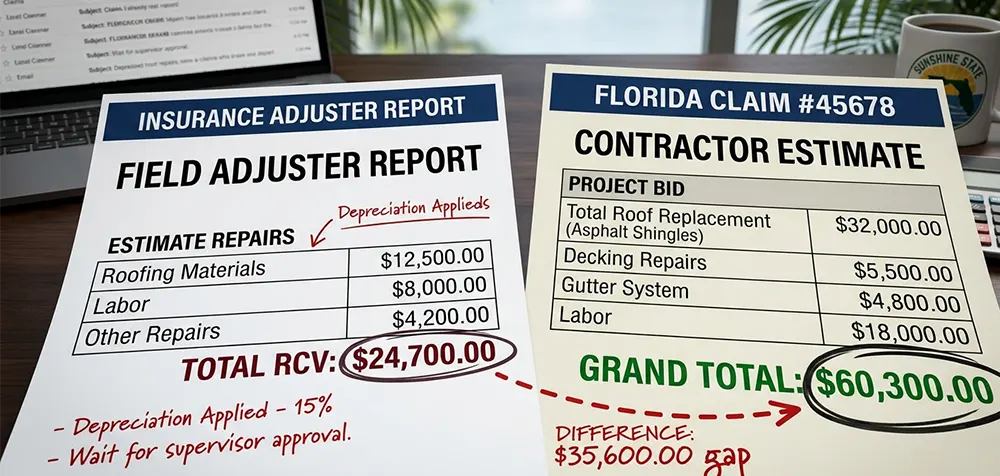
Most policies include either Replacement Cost Value or Actual Cash Value coverage. Many business owners don't know which one they have until a claim is underpaid.
Replacement Cost Value means the insurer pays what it costs to replace damaged property with new materials of similar quality. Damaged property gets paid at the current cost of replacement regardless of age.
Actual Cash Value means the insurer pays replacement cost minus depreciation. Older property might be depreciated by 50% or more. If replacement costs $50,000, the insurance company might only pay $25,000 because they're valuing the property at its depreciated worth.
Property damage settlement disputes often originate here. Even with Replacement Cost Value coverage, insurance companies frequently pay Actual Cash Value first, then promise to pay depreciation after repairs are completed and receipts are provided. That withheld depreciation can be 30–50% of the total claim value. If repairs can't be afforded with the initial payment, a financial trap is created.
Common Reasons for Commercial Insurance Underpayment
The Adjuster Missed Damage
Insurance adjusters spend limited time evaluating properties. Water damage behind walls, structural compromises in the foundation, and electrical system failures caused by the same event that damaged other areas all get missed.
Undisclosed Policy Exclusions
Commercial policies are lengthy documents filled with legal language. Most contain exclusions that aren't explained clearly when coverage is purchased. Flood damage, earth movement, wear and tear, and faulty workmanship clauses all provide ways for insurers to reduce payouts.
Disputes Over the Cause of Damage
The insurance company may claim the property failed due to poor maintenance rather than the covered event, or argue that damage came from a source not covered by the policy. These cause-of-loss disputes let them deny large portions of claims.
Depreciation Schedules That Don't Reflect Real Costs
Insurance companies maintain depreciation tables that often don't match actual market prices. Materials they depreciate at certain lifespans might actually last much longer. Construction material costs fluctuate significantly, but depreciation formulas don't always adjust.
The Appeal Process for Underpaid Claims in Florida
Florida law requires insurance companies to respond to additional information provided by policyholders. The first offer isn't final. Most policies include internal appeal procedures that let policyholders challenge the settlement before taking legal action.
Submit a formal letter specifying exactly what damage wasn't properly compensated, with independent contractor estimates and the relevant policy provisions supporting full payment.
Include all supporting documentation: photos showing damage the adjuster missed, receipts for emergency repairs, and reports from structural engineers or specialists.
Under Florida law, the insurance company must respond in writing within 30 days. If they don't, that delay itself becomes evidence of bad faith.
When Legal Representation Becomes Necessary
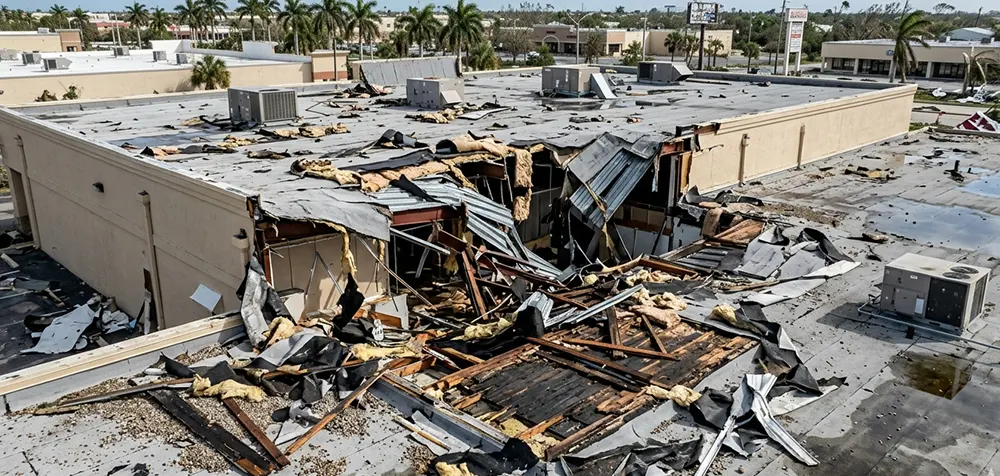
Legal counsel should be considered immediately if an appeal is denied and the gap between the insurer's offer and actual repair costs is substantial. Florida law often requires insurance companies to pay attorney fees when they're found to have underpaid claims, which means policyholders may not bear the cost of legal representation.
Legal help is needed if the insurance company is claiming damage isn't covered when the policyholder believes it is. Policy interpretation disputes require someone who understands insurance contract law. Adjusters will cite exclusions and limitations that might not actually apply to the situation.
An attorney should be consulted if there's pressure to accept the settlement quickly. Legitimate insurance companies don't create artificial urgency around claim settlements. Pressure tactics suggest they know the offer is low and want acceptance before proper evaluation can occur.
Counsel should be brought in if the business is losing money while the claim remains unresolved. Commercial policies often include business interruption coverage. If the underpayment is preventing reopening or normal operations, an attorney can pursue additional damages for lost income and force faster resolution.
What Florida Bad Faith Law Means for Underpayment Cases
Florida Statutes Section 624.155 creates a cause of action against insurers who fail to settle claims in good faith. Bad faith isn't just denying a claim — it includes making unreasonably low settlement offers when the insurer knows the claim is worth more.
Bad faith claims let policyholders recover more than just the underpaid amount. Damages for financial harm the underpayment caused, attorney fees, and in some cases punitive damages that punish the insurer's conduct can all be pursued.
The key is documenting the insurer's behavior. If they ignored evidence provided, delayed without explanation, misrepresented policy language, or pressured acceptance of an inadequate offer, those actions support a bad faith claim. Insurance companies take bad faith exposure seriously — once a lawsuit alleging bad faith is filed, their approach to settlement changes.
Timeline Expectations for Resolving Underpayment Disputes
Internal appeals through the insurance company typically take 30–90 days. The dispute is submitted, they investigate, and they respond with an adjusted offer or explanation for maintaining their position.
If an attorney is hired and negotiates with the insurer before filing suit, expect another 60–90 days. Lawyers can often resolve commercial property insurance claim underpayment through demand letters and negotiation without litigation.
Filing a lawsuit extends the timeline to 12–18 months on average. Florida courts are backlogged. Cases go through discovery, depositions, potentially mediation, and possibly trial. Most cases settle before trial, but preparation for the long haul is necessary.
The sooner action is taken, the faster resolution occurs. Waiting months before challenging an underpayment gives the insurance company time to build their defense and makes evidence harder to gather.
Commercial property insurance claim underpayment shouldn't be accepted without understanding all available options. Cernitz Law represents Florida property owners against insurance companies, recovering millions in underpaid claims. The firm works on contingency — no payment unless we recover more than the insurance company offered.
Call (888) 683-2624 — Free Case Evaluation No fees unless we win. Available 24/7.